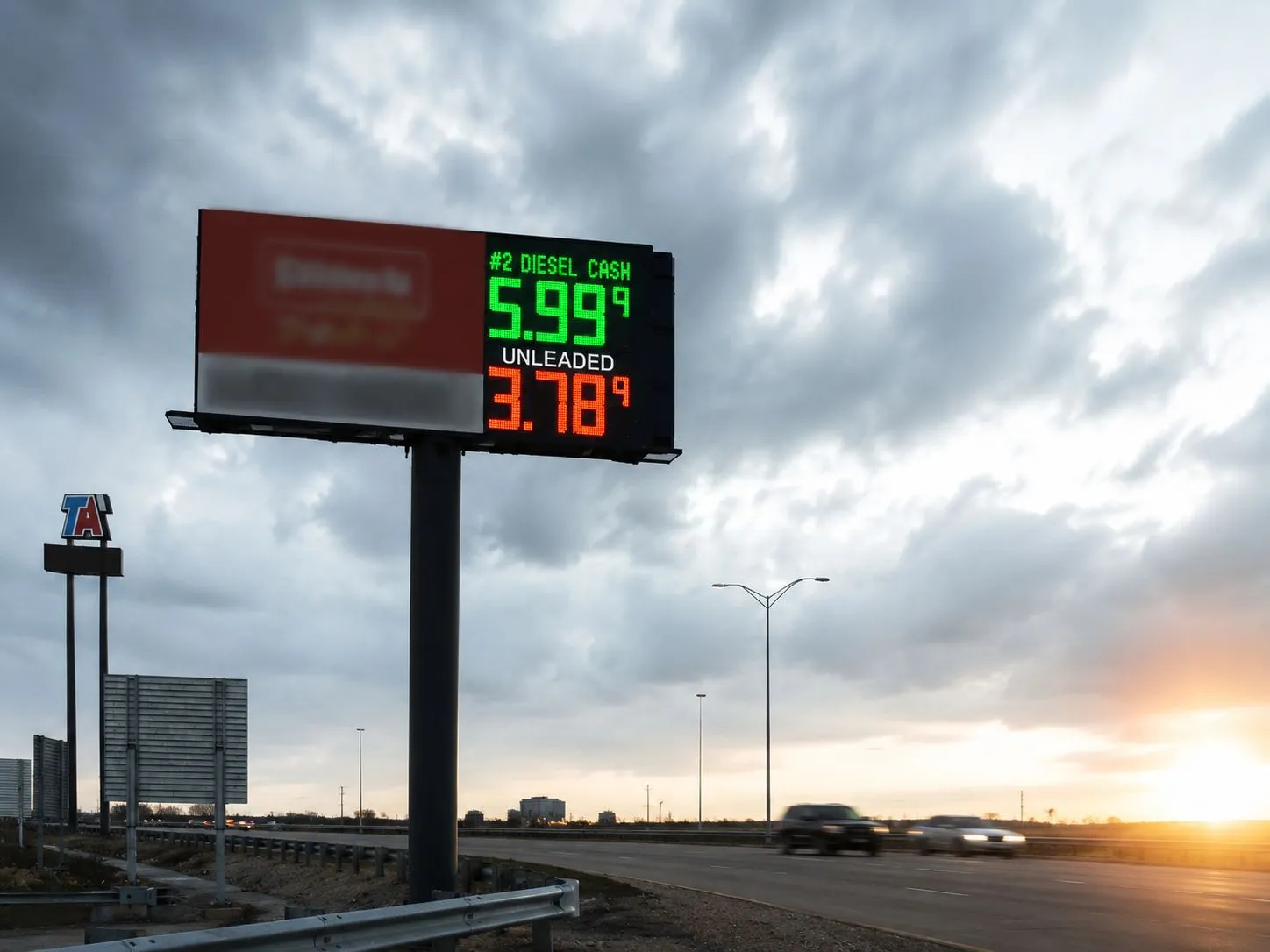
New Jersey diesel prices have been on a steady upward trend, reaching levels that are straining budgets across every link in the intermodal supply chain. For carriers operating in the NY/NJ port complex, the impact is immediate and direct.
What's Driving Prices Up
Several converging factors are pushing diesel prices higher in the region. Geopolitical tensions affecting global crude oil supply continue to keep feedstock costs elevated. At the same time, regional refinery constraints — particularly in the Northeast, where refining capacity has declined over the past decade — mean that local supply is especially sensitive to demand fluctuations.
Seasonal demand also plays a role: as construction and agricultural activity pick up heading into warmer months, competition for distillate fuel increases. Add to that the ongoing costs of maintaining lower-sulfur Ultra Low Sulfur Diesel (ULSD) compliance across the region, and the pressure on pump prices compounds quickly.
The Ripple Effect Through the Supply Chain
Fuel costs represent one of the largest variable expenses for any trucking and drayage operation. When diesel spikes, those costs don't stay contained — they move through the supply chain in predictable ways.
For carriers: the math is straightforward. Every additional cent per gallon translates directly into operating cost pressure on routes that already run tight margins. In a drayage environment where containers move short distances but trucks run continuously, the aggregate fuel expense adds up fast.
For shippers and importers:the effect shows up in freight rates. Fuel surcharges — typically calculated as a percentage of base rates tied to the Department of Energy's weekly diesel index — adjust upward when pump prices rise. Shippers who locked in contracts without fuel escalation clauses are beginning to feel that exposure.
For end consumers: elevated logistics costs eventually reach retail prices. In a region as supply-chain dependent as the New York/New Jersey metro area — where a significant share of East Coast imports flow through the port complex — even modest freight rate increases can ripple into the broader cost of goods.
What This Means for Drayage Operations
For carriers focused on port drayage in the NY/NJ complex, fuel cost management requires constant attention. Route optimization, idle-time reduction, and maintaining well-tuned modern equipment all contribute to keeping fuel consumption in check — but they can only offset so much when pump prices climb significantly.
Fuel cost adjustments are an industry-wide reality when diesel markets move as sharply as they have recently. Fuel surcharges exist precisely because freight pricing cannot absorb unlimited cost volatility without jeopardizing operational sustainability for carriers of all sizes. Maintaining service quality and equipment reliability requires that cost structures reflect the real cost of operations.
Source: News 12 New Jersey — As New Jersey diesel prices soar, all customers will pay more
Questions About Your Freight?
Talk to our team about your drayage needs.
Our dispatch team is available 24/7 to discuss container moves, routing, and current rate conditions in the NY/NJ port complex.
Contact Our Team